Diane Richardson 403.397.3706
Central Alberta Acreages for Sale
Rural Homes, Small Acreages, Hobby Farms & Land Across Central Alberta
Explore Central Alberta acreages for sale, including country homes, smaller residential acreages, hobby farms, rural land and properties with shops or agricultural buildings. Search rural real estate in Red Deer County, Lacombe County, Ponoka County, Clearwater County, Mountain View County and other parts of Central Alberta.
Acreage buyers have different priorities. Some want a manageable parcel near Red Deer, Lacombe, Ponoka or Sylvan Lake. Others are looking for land suitable for gardening, horses, a workshop or a small-scale agricultural operation. Available properties can differ substantially in acreage, land-use designation, servicing and permitted activities.
Browse the Central Alberta MLS® listings below to compare asking prices, parcel sizes, houses, outbuildings and locations. Listing descriptions are a starting point: verify water supply, wastewater systems, access, zoning and property improvements before making a purchasing decision.
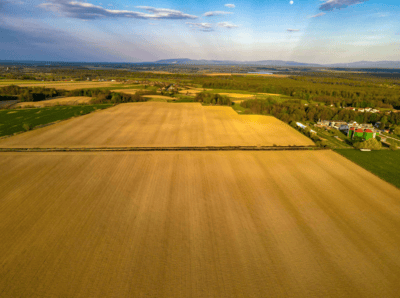
Small Acreages & Country Homes
Explore rural residences on smaller parcels, including established homes and newer country properties. Compare land area, road access, well and septic arrangements, yard maintenance and distance to nearby communities.
Hobby Farms & Rural Buildings
Look for properties with fenced areas, pasture, barns, shelters or agricultural buildings. Check land-use rules, water availability, livestock permissions, fencing condition and the suitability of existing facilities for your intended use.
Land, Shops & Larger Parcels
Compare vacant parcels, acreages with workshops and larger rural holdings. Review legal access, electrical service, building permits, subdivision restrictions and agricultural land-use requirements before planning improvements.
Where to Look for Acreages in Central Alberta
Red Deer County offers rural searches around Red Deer, Penhold, Innisfail and Sylvan Lake. Lacombe County includes agricultural districts and country properties around Lacombe, Blackfalds, Bentley and surrounding communities. Ponoka County provides another area to compare rural homes, small farms and larger parcels, including properties around Ponoka and Rimbey.
Farther west, Clearwater County includes rural properties around Rocky Mountain House and surrounding countryside. Mountain View County offers acreage and agricultural-property searches around Olds, Didsbury, Sundre and nearby rural areas. Camrose County and other Central Alberta districts may also suit buyers with a wider search area. Actual listing coverage depends on the saved search.
Important Considerations When Buying a Central Alberta Acreage
Water and wastewater: Establish whether the property uses a drilled well, cistern, municipal or community water supply, and identify the wastewater system. Request available well records, water tests, septic documentation and appropriate professional inspections.
Land use and buildings: Confirm the municipal land-use district and whether your plans for animals, a shop, a home business or additional buildings are permitted. Check permits, setbacks, title restrictions and the condition of existing outbuildings.
Access and ongoing costs: Review whether access is public or private, road-maintenance arrangements, winter conditions, electricity, natural gas or propane service, internet availability, insurance and property taxes. A lower purchase price does not necessarily mean lower ownership costs.
For a more detailed starting point, read the rural well and septic inspection checklist .
Explore Central Alberta Acreages by County
Red Deer County Acreages
Search rural properties around Red Deer, Penhold, Innisfail and surrounding county areas.
Lacombe County Acreages
Browse acreages, farms and rural homes around Lacombe, Blackfalds and Bentley.
Ponoka County Acreages
Compare country homes and rural land around Ponoka, Rimbey and nearby communities.
Looking for a particular type of acreage? Contact Diane Richardson about rural homes, smaller parcels, properties with shops or land in your preferred Central Alberta county.
Ask Diane About AcreagesCentral Alberta Acreages for Sale
Central Alberta Acreages for Sale | Rural Homes & Land
-
4513 44 Street in Castor: Detached for sale : MLS®# A2359504
4513 44 Street Castor T0C 0X0  $120,000Residential
- Status:
- Active
- MLS® Num:
- A2359504
- Bedrooms:
- 2
- Bathrooms:
- 2
- Floor Area:
- 708 sq. ft.
Located on the south side in a quiet area of Castor, surrounded by beautiful lilac bushes, this two bedroom and two bathroom home has had some renovations done. New roof boards and insulation along with new drywall in kitchen and bedroom area, different cupboards installed, along with a 4 pc bathroom relocation. Flooring has been upgraded, painting, addition of the second two piece bathroom and totally painted exterior. South side of house has been shingled. Downstairs is the hot water tank and furnace. The yard has a long driveway to the single garage, which has been brought back to life. There is a nice size yard, with space to have a garden. You are only minutes from the golf course and right beside a playground. Cozy and cute makes this one a charming property to own. More detailsListed by Sutton Landmark Realty- DIANE RICHARDSON
- CIR REALTY
- 1 (403) 397 3706
- Contact by Email
-
307 9124 HWY 18 in Green Court: Detached for sale : MLS®# A2354141
307 9124 HWY 18 Green Court T0E 1N0
$148,400Residential- Status:
- Active
- MLS® Num:
- A2354141
- Bedrooms:
- 1
- Bathrooms:
- 1
- Floor Area:
- 672 sq. ft.
A Piece of History with Room to Make It Your Own! Step back in time with this charming 1920s home situated on a full acre in the quiet community of Greencourt. With renovations already underway, this property offers a unique opportunity for someone looking to continue the work and bring new life to a home full of character. Updates include all new wiring, new windows and new flooring, while the interior remains unfinished with drywall and additional work still required. The home features 1 bedroom, 1 bathroom, and a cozy wood stove for added warmth and rustic appeal. Outside, enjoy a spacious yard with approximately half the property fenced, complete with established fruit trees and plenty of room to garden, relax, or create your own retreat. More detailsListed by ROYAL LEPAGE MODERN REALTY- DIANE RICHARDSON
- CIR REALTY
- 1 (403) 397 3706
- Contact by Email
-
440048 Highway 894 in Rural Wainwright No. 61, M.D. of: Detached for sale : MLS®# A2319043
440048 Highway 894 Rural Wainwright No. 61, M.D. of T0B 1K0
$170,000Residential- Status:
- Active
- MLS® Num:
- A2319043
- Bedrooms:
- 1
- Bathrooms:
- 1
10.55 ACRES OF OPPORTUNITY – VALUE IN THE LAND – SOLD "AS-IS, WHERE-IS" Attention builders, developers, and acreage enthusiasts! Here is your chance to own a private, heavily treed 10.55-acre parcel with immense potential to build your dream estate or rural getaway. PLEASE NOTE: This property is being sold strictly for its land value. * The Structure: The existing house on the property is in disrepair, has a compromised roof, and is considered a tear-down. No value has been assigned to the building.Property Condition: The acreage contains various old vehicles, equipment, and unattached goods scattered throughout the yard. The property will be sold exactly "As-Is, Where-Is, As Seen" on possession day. The buyer will assume full responsibility for the removal of the structure, vehicles, and debris remaining on the site. If you are looking for a blank slate project with over 10 acres of beautiful Alberta land to work with, bring your tools, your vision, and your contractor. More detailsListed by ROYAL LEPAGE WRIGHT CHOICE REALTY- DIANE RICHARDSON
- CIR REALTY
- 1 (403) 397 3706
- Contact by Email
-
1836 21 Avenue in Delburne: Detached for sale : MLS®# A2328257
1836 21 Avenue Delburne T0M 0V0
$184,900Residential- Status:
- Active
- MLS® Num:
- A2328257
- Bedrooms:
- 1
- Bathrooms:
- 1
- Floor Area:
- 639 sq. ft.
Great opportunity to own an affordable home on a 100' x 120' double lot in the welcoming Village of Delburne. This 1½-storey home is perfect for first-time buyers, investors, or anyone looking for a project with plenty of potential. The main floor features a spacious living room, a functional kitchen and dining area, a 4-piece bathroom, and a primary bedroom. Upstairs, two additional rooms that can be used as bedrooms, an office, or extra storage. The basement includes laundry hookups, a newer furnace, and additional storage space. Updates include vinyl windows on most of the main floor, 100-amp electrical service, and a new furnace, new hot water tank, new water lines, new shingles on house, and new washer and dryer. A major bonus is the 26' x 28' insulated detached garage with 9-foot walls, an 8-foot overhead door, concrete floor with drain, and updated siding, soffit, and fascia. Power has been run to the house and is ready to be connected. The large 0.32-acre lot offers mature trees, RV parking, a fire pit area, room for a garden, and endless possibilities for future expansion. Located less than 30 minutes from Red Deer, Delburne offers a K–12 school, grocery store, restaurants, pharmacy, medical clinic, arena, curling rink, parks, and the award-winning Delburne Golf Club. A fantastic opportunity to renovate, invest, or build equity in a great small-town community. More detailsListed by Royal LePage Network Realty Corp.- DIANE RICHARDSON
- CIR REALTY
- 1 (403) 397 3706
- Contact by Email
-
122 Withrow Road in Withrow: Detached for sale : MLS®# A2351972
122 Withrow Road Withrow T0M 0X0
$199,999Residential- Status:
- Active
- MLS® Num:
- A2351972
- Bedrooms:
- 3
- Bathrooms:
- 1
- Floor Area:
- 1,504 sq. ft.
Room to grow in the peaceful hamlet of Withrow! This mobile home sits on FOUR lots, giving you space to spread out, garden, play, and dream big. With TWO hook-ups already on the property, you’ll have added flexibility for whatever your plans may be. There’s plenty of room to build the garage or shop you’ve always wanted. Enjoy the quiet, friendly pace of small-hamlet living while staying within easy reach of nearby towns. Opportunities like this, with this much space, don’t come along often. More detailsListed by Century 21 Westcountry Realty Ltd.- DIANE RICHARDSON
- CIR REALTY
- 1 (403) 397 3706
- Contact by Email
-
1513 7 Ave.: Wainwright Detached for sale : MLS®# A2358494
1513 7 Ave. Wainwright T9W 1H7
$218,000Residential- Status:
- Active
- MLS® Num:
- A2358494
- Bedrooms:
- 3
- Bathrooms:
- 2
- Floor Area:
- 1,216 sq. ft.
This 3 bedroom 2 bath home on a large corner lot is sure to please. The semi-open layout offers plenty of room for family and entertaining, with the spacious living room opening to the kitchen/dining area. The kitchen features a moveable island, pantry, ample cabinetry, and a large skylight that naturally brightens the room. The master bedroom boasts a double closet and an exceptionally large 4 pc ensuite. Two additional bedrooms, a laundry area and another 4 pc bath complete the interior of this home. Outside offers lots of space both on the extra large deck and in the yard. The front/side yard is partially fenced with mature trees/shrubs and has a newly paved driveway. The backyard is fully fenced and features mature trees giving lots of privacy with a double gate, offering access to the heated double car garage plus another newly paved double driveway. Located in a quiet area, a block from the Splash Park and just a few minute drive to amenities and schools. Upgrades to the home include: Metal Roof (Summer 2026) Hot Water Tank (Fall 2025) Paved driveways- one single and one double (Summer 2025) Eavestroughs (Summer 2024) Vinyl Floors in Bedrooms (Summer 2024) Plumbing (Fall 2023) As you can see this property has been well cared for so you can move right in. More detailsListed by CENTURY 21 CONNECT REALTY- DIANE RICHARDSON
- CIR REALTY
- 1 (403) 397 3706
- Contact by Email
-
21009 in Rural Vermilion River, County of: Detached for sale : MLS®# A2304589
21009 Rural Vermilion River, County of T0B 2Y0
$229,900Residential- Status:
- Active
- MLS® Num:
- A2304589
- Bedrooms:
- 2
- Bathrooms:
- 1
- Floor Area:
- 1,008 sq. ft.
Welcome to this peaceful Alberta acreage, just 20 minutes south of Lloydminster. Spanning over 7.36 acres, this property offers stunning panoramic views of the valley, with endless skies and natural beauty in every direction. The lack of nearby neighbors allows you to fully enjoy the peace and tranquility, making it a true nature lover's dream. Whether you're watching the sunrise over the rolling landscape or stargazing at night, the scenery here is simply breathtaking. The home is a mobile with several updates, including updates to the kitchen, real wood floors, vinyl plank flooring, and new wall-mounted AC units for both the mobile and the addition. For heating, the home has a natural gas forced air furnace, as well as a cozy wood-burning stove, perfect for those crisp Alberta evenings. The property also features a large double garage/shop (33x24) with a sturdy metal roof and an open-faced storage building for your small equipment. It consists of two adjoining parcels—one is 4.25 acres with the home and shop, and the second is 3.11 acres. Surrounded by nature and offering complete privacy, this acreage provides the perfect spot to enjoy the outdoors, soak in the peaceful atmosphere, and make it your own retreat. More detailsListed by RE/MAX OF LLOYDMINSTER- DIANE RICHARDSON
- CIR REALTY
- 1 (403) 397 3706
- Contact by Email
-
12522 Twp Rd 422 in Rural Flagstaff County: Detached for sale : MLS®# A2358995
12522 Twp Rd 422 Rural Flagstaff County T0B 2V0
$249,900Residential- Status:
- Active
- MLS® Num:
- A2358995
- Bedrooms:
- 3
- Bathrooms:
- 2
- Floor Area:
- 1,120 sq. ft.
Looking for an affordable acreage with room to spread out? This 3 bedroom, 2 bath mobile home sits on 8.48 acres and offers a comfortable, open concept layout. The kitchen, dining, and living areas flow together, creating a welcoming space for everyday living and spending time with family and friends. The property is fenced and cross-fenced, offering flexibility for a variety of uses. A quaint summer cabin provides extra space for extended family or guests, while the storage shed and sea can offer plenty of room for equipment, belongings, and other storage needs. With its generous acreage, practical layout, and useful outbuildings, this property offers an appealing opportunity to enjoy country living. More detailsListed by Coldwell Banker OnTrack Realty- DIANE RICHARDSON
- CIR REALTY
- 1 (403) 397 3706
- Contact by Email
-
6432 17 Avenue: Edson Detached for sale : MLS®# A2350161
6432 17 Avenue Edson T7E 1S4
$250,000Residential- Status:
- Active
- MLS® Num:
- A2350161
- Bedrooms:
- 2
- Bathrooms:
- 1
- Floor Area:
- 734 sq. ft.
This unique 11.91-acre property offers space, privacy, and development potential within the Town of Edson, subject to municipal approvals. Home is a 1-bedroom bungalow with basement, 24' x 34' heated detached double garage, water well, and septic system. The home was originally built in 1948 and moved onto the existing basement in 1973. Recent updates include exterior paint, bathroom fixtures, lighting, and rear entry door. Most floor coverings have been removed, with primarily exposed subfloor and some hardwood remaining. The property is undergoing natural regeneration following a recent clear-cutting of the trees. Annual local improvement tax of $4,079.63 is scheduled to be paid in full July 2028. Property is sold as-is, where-is, without representations or warranties. Buyers are encouraged to conduct their own due diligence. More detailsListed by Century 21 Twin Realty- DIANE RICHARDSON
- CIR REALTY
- 1 (403) 397 3706
- Contact by Email
-
462046 Range Road 53 in Rural Wainwright No. 61, M.D. of: Detached for sale : MLS®# A2352722
462046 Range Road 53 Rural Wainwright No. 61, M.D. of T9W 1W1
$269,900Residential- Status:
- Active
- MLS® Num:
- A2352722
- Bedrooms:
- 3
- Bathrooms:
- 2
- Floor Area:
- 1,066 sq. ft.
Experience the best of country living on this beautifully maintained 2.85-acre property, where wide-open spaces, peaceful surroundings, and modern comfort come together. Located just 20 minutes from Wainwright, this inviting rural retreat offers the perfect balance of privacy, convenience, and room to enjoy the lifestyle you've been dreaming of! Completely re-modelled, this gorgeous 1,065 sq. ft. double-wide manufactured home features a bright, open-concept layout with 3 bedrooms and 2 full bathrooms. The spacious primary suite offers a relaxing retreat of its own, complete with a generous 4-piece ensuite, while vaulted ceilings and skylights fill the main living area with beautiful natural light. Laminate flooring throughout, updated vinyl windows, and practical finishes create a warm, welcoming space that's ready to enjoy. Conveniently located hallway laundry just outside the primary bedroom adds to the home's thoughtful layout. Step outside and fall in love with the setting! Newer front decks at both entrances provide lovely spaces to unwind and take in the peaceful surroundings. Enjoy the meticulously maintained lawn, established garden, mature fruit trees and shrubs, and the privacy of backing onto open space with farmland stretching in every direction. With a newer well and septic system, RV access and parking, and an oversized garden shed for all your storage needs, this property offers both functionality and freedom. Whether you're dreaming of a quieter pace of life, room to garden, space for your RV, or simply a place to call your own surrounded by nature, this property delivers. A little country charm, a lot of room to breathe, and a lifestyle worth coming home to! More detailsListed by People 1st Realty- DIANE RICHARDSON
- CIR REALTY
- 1 (403) 397 3706
- Contact by Email
-
52 41513 Highway 771 in Rural Lacombe County: Birch Bay Detached for sale : MLS®# A2328024
52 41513 Highway 771 Rural Lacombe County T0C 0J0
$275,000Residential- Status:
- Active
- MLS® Num:
- A2328024
- Bedrooms:
- 3
- Bathrooms:
- 1
- Floor Area:
- 1,067 sq. ft.
Welcome to your own cozy lakeside escape in the charming community of Birch Bay on beautiful Gull Lake. Nestled on a large, private treed lot, this inviting 3-bedroom cottage is the perfect place to slow down, unwind, and create lasting summer memories with family and friends. Step inside and instantly feel at home in the warm, rustic living room, where vaulted ceilings, natural wood walls, a cozy wood-burning stove, and large sun-filled windows create the perfect cabin atmosphere. The bright kitchen offers plenty of cabinet space, a convenient breakfast bar, and a window above the sink that brings the outdoors in. Just beyond, the spacious dining area is bathed in natural light and features sliding patio doors leading to the expansive wraparound deck—ideal for morning coffee among the trees, summer barbecues, or relaxing after a day on the lake. The cottage features three fully furnished bedrooms, along with a bright 3-piece bathroom that offers direct access to a spacious storage closet. Easy-care laminate flooring flows throughout the main living area, making cleanup after weekends at the lake effortless. Outside, you'll fall in love with the peaceful setting. Mature trees provide privacy, while the wraparound deck, firepit, and three storage sheds offer everything you need to enjoy the outdoors. Recent updates include a new hot water tank, new windows in the primary bedroom and bathroom, a 120-foot well (drilled in 2007). Just a short stroll from the beach, parks, walking trails, and the community boat launch, this charming seasonal retreat offers the perfect blend of nature, relaxation, and lakeside adventure—all just a short drive from nearby towns and amenities. More detailsListed by RE/MAX real estate central alberta- DIANE RICHARDSON
- CIR REALTY
- 1 (403) 397 3706
- Contact by Email
-
27 Winnipeg Avenue in Ardley: Detached for sale : MLS®# A2353840
27 Winnipeg Avenue Ardley T0M 0V0
$275,000Residential- Status:
- Active
- MLS® Num:
- A2353840
- Bedrooms:
- 4
- Bathrooms:
- 2
- Floor Area:
- 1,434 sq. ft.
Enjoy the space and peaceful surroundings of country living in this 1,340 sq. ft. manufactured home situated on 0.3 acres, consisting of four lots. Located just 25 minutes from Red Deer, this property offers room to spread out while remaining within an easy drive of city amenities. Inside, you'll find a bright, freshly updated interior with neutral paint colours, attractive flooring, and a spacious layout. The kitchen features white cabinetry, ample counter space, and a convenient eating bar overlooking the generous living room. A built-in china cabinet provides additional storage and display space, while vaulted ceilings add to the home's open and airy feel. With four bedrooms and two 4-piece bathrooms, including a primary bedroom with its own ensuite and walk-in closet, there's plenty of space for family, guests, or a home office. A separate laundry area adds everyday convenience. Outside, mature trees, expansive lawn space, and open surroundings create a peaceful setting. Enjoy summer mornings and evenings on the two covered decks, measuring 8' x 24' and 6' x 12'. The detached double garage offers plenty of room for vehicles, storage, or projects. The property has its own services, including a private well, power, natural gas, and a septic tank. The four-lot property offers acreage-style living with the convenience of a smaller, manageable parcel. A great opportunity to enjoy country-style living, generous outdoor space, and a move-in-ready home just a short drive from Red Deer! More detailsListed by Royal LePage Network Realty Corp.- DIANE RICHARDSON
- CIR REALTY
- 1 (403) 397 3706
- Contact by Email

Data was last updated November 25, 2026 at 06:05 AM (UTC)
Types of Central Alberta Acreages: Which Property Suits Your Plans?
Central Alberta offers considerably more variety than a simple choice between a house in town and a farm. When comparing Central Alberta acreages for sale, consider how much usable land you need, the condition of existing improvements, your intended activities and the ongoing costs of maintaining the property.
Small Residential Acreages
Smaller rural parcels can provide additional yard space, gardening opportunities, privacy and room for permitted accessory buildings without the maintenance requirements of a much larger farm.
What to check: Confirm legal parcel size, usable yard area, slopes, drainage, setbacks and restrictions on additional buildings. A five-acre parcel may have substantially less than five acres of practical yard or pasture.
Country Homes Near Town Services
Rural properties outside communities such as Red Deer, Lacombe, Ponoka, Olds and Sylvan Lake can appeal to buyers seeking country living while retaining access to employment, schools and shopping.
What to check: Measure actual driving distances, confirm road maintenance, school transportation eligibility, utility services and emergency access. A short distance on a map may involve gravel roads or a longer winter drive.
Acreages with Shops & Outbuildings
A heated workshop, equipment-storage building or oversized garage can be valuable for vehicle maintenance, hobbies, machinery or permitted home-based activities.
What to check: Review building permits, electrical capacity, heating, insulation, door dimensions and structural condition. Confirm whether the municipality permits your intended activity; an existing shop does not automatically authorize commercial operations.
Hobby Farms & Livestock Properties
Properties with pasture, fenced paddocks, barns, shelters or garden areas may suit buyers interested in horses, small livestock operations, food production or agricultural hobbies.
What to check: Verify livestock permissions, water supply, fencing, shelter condition, carrying capacity and manure-management requirements. The presence of pasture or a barn does not establish that every agricultural use is permitted.
Treed & Private Country Properties
Wooded properties are found in parts of Central Alberta, including areas of Clearwater, Mountain View and other counties. Tree cover can provide shelter and privacy, but conditions vary considerably between parcels.
What to check: Investigate wildfire exposure, vegetation management, driveway access, drainage, wetlands and insurance requirements. Dense tree cover can limit usable land and complicate construction or maintenance.
Vacant Acreage Land & Building Sites
Undeveloped parcels may appeal to buyers planning a custom rural home, recreational use or future agricultural activities. Not every vacant parcel is an approved or readily serviceable building site.
What to check: Confirm legal road access, land-use designation, development restrictions, utility costs, groundwater availability and wastewater suitability. Review wetlands, easements and subdivision limitations before purchasing.
Compare Acreage Size, Usable Land & Total Ownership Costs
Parcel size versus usable land: A property's advertised acreage does not indicate how much is suitable for building, grazing, gardening or recreational use. Steep slopes, wetlands, watercourses, easements and existing improvements can reduce the area available for your plans.
Residential versus agricultural classification: Municipal zoning, property assessment and permitted uses are separate considerations. A parcel described as a hobby farm may have agricultural land-use rules, while a country residential property may restrict livestock or commercial activities.
Budget beyond the purchase price: Account for well and septic servicing, driveway maintenance, snow clearing, fencing, outbuilding repairs, heating, property taxes and insurance. Larger properties may also require specialized equipment or outside contractors.
Still deciding how much land you need? Compare a wider range of Alberta rural properties or narrow your search to the counties that best suit your location, budget and intended use.
Explore Central Alberta Acreages by Region & Community
Central Alberta acreage searches cover different landscapes, municipal jurisdictions and property markets. Rural properties near Red Deer and Lacombe may appeal to buyers prioritizing access to larger service centres, while areas around Rocky Mountain House, Sundre and Sylvan Lake offer different combinations of agricultural land, wooded parcels and recreational settings.
The introductory section above includes searches for Red Deer County, Lacombe County and Ponoka County. The following guides expand your search into additional Central Alberta locations. Each link leads to a more geographically focused property search.
Clearwater County Acreages
Clearwater County includes rural properties around Rocky Mountain House, Caroline and the surrounding countryside. Buyers may encounter agricultural parcels, wooded acreages, country homes and properties closer to the eastern slopes of the Rocky Mountains.
Buyer consideration: Compare road access, property servicing, wildfire exposure, tree cover and distance to year-round services. Conditions vary considerably between eastern agricultural areas and more remote western parcels.
Rocky Mountain House Acreages
Search country homes and acreages in the rural area surrounding Rocky Mountain House, an important service centre in western Central Alberta. Highway 11 connects the community with Red Deer and routes toward the foothills.
Buyer consideration: Verify whether a property is inside municipal boundaries or in Clearwater County. Zoning, taxes, permitted uses and servicing responsibilities can differ between jurisdictions.
Sylvan Lake Acreages
Explore rural residential properties around Sylvan Lake and nearby parts of Red Deer and Lacombe counties. This area may suit buyers who want country living while remaining within driving distance of lake recreation, shops and services.
Buyer consideration: Proximity to Sylvan Lake does not guarantee waterfront ownership or lake access rights. Confirm legal boundaries, public access, groundwater conditions and any applicable development restrictions.
Mountain View County Acreages
Mountain View County includes rural areas around Olds, Didsbury, Sundre, Carstairs and Cremona. Buyers can compare agricultural land, rural residential acreages and properties with workshops or farm-related improvements.
Buyer consideration: Locations near Highway 2 differ from western county areas closer to Sundre and Cremona. Review actual travel routes, land-use rules, water supplies and road conditions before selecting a location.
How to Narrow Your Central Alberta Acreage Search
For access to Red Deer: Start with Red Deer County and nearby portions of Lacombe and Ponoka counties. Compare the actual route to work, schools, healthcare and shopping. Distances and winter travel conditions matter more than a county name.
For wooded or recreational settings: Review appropriate areas of Clearwater County, western Mountain View County and the countryside surrounding Rocky Mountain House. Look closely at access, terrain, environmental constraints and seasonal maintenance requirements.
For farming or livestock: Compare individual agricultural parcels in Red Deer, Lacombe, Ponoka and Mountain View counties. Examine soil, pasture, water access, fencing, farm buildings and municipal livestock regulations rather than assuming that every rural property permits animals.
For building or future improvements: Check each municipality's land-use bylaw, subdivision policies and development-permit requirements. A listing described as a building site or potential acreage subdivision does not guarantee development approval.
About the Central Alberta MLS® Search Area
Central Alberta is a broad geographic description, not a single municipality or standardized MLS® community boundary. The listing search on this page may cover several counties, and available properties can extend beyond the communities highlighted above.
Use the property address and map location to confirm which municipality governs each listing. For questions about a specific acreage's location, services or land-use designation, contact Diane Richardson with the address or MLS® number.
Central Alberta Acreage Buyer Checklist: Documents, Inspections & Due Diligence
Before purchasing a Central Alberta acreage, investigate the property's water, wastewater, legal access, permitted uses and existing improvements. Unlike many homes on municipal services, rural properties often have private infrastructure that the owner is responsible for maintaining. Use these six checks when evaluating a specific MLS® listing.
Well, Cistern & Water Supply
Identify whether the property uses a drilled well, cistern, rural water co-op or another supply. Ask for well drilling records, recent water-quality results, pump information and available flow or yield testing.
Before removing conditions: Arrange suitable water-quality and supply testing. Review any water licence or co-op agreement applicable to the property's intended use. An older drilling report does not prove current water quality or dependable yield.
Septic System & Wastewater
Establish whether the acreage has a septic tank and field, treatment system, holding tank or another approved wastewater arrangement. Request available permits, installation plans, maintenance records and pumping history.
Before removing conditions: Consider a qualified private-sewage inspection. Confirm the system's location, condition, capacity and any known deficiencies. If you plan to add bedrooms or another dwelling, check whether the existing system can legally and practically accommodate the change.
Land Title, Boundaries & Road Access
Review the current land title and applicable survey information. Look for easements, utility rights-of-way, restrictive covenants, access agreements and other registered interests affecting the parcel.
Before removing conditions: Confirm legal and physical access from a public road, or review the registered access rights if a private road is involved. Establish who maintains the driveway or shared access and whether seasonal access presents problems.
Zoning, Livestock & Intended Use
Identify the municipality and land-use district. Ask about permissions for livestock, workshops, home-based businesses, secondary dwellings, recreational vehicle storage and additional accessory buildings.
Before removing conditions: Obtain confirmation from the relevant county planning department for any use essential to your purchase. An advertisement describing hobby-farm potential does not replace municipal permission or development approval.
Shops, Barns, Fencing & Improvements
Inspect the condition of existing outbuildings, including roofs, foundations, doors, insulation, electrical installations, heating equipment and drainage. Examine fences, gates, shelters and livestock-water infrastructure.
Before removing conditions: Request available building and electrical permits and review significant structures with appropriate inspectors. Verify that essential shop equipment and intended uses are supported by the building's capacity and municipal approvals.
Financing, Insurance & Annual Costs
Acreages with substantial farmland, multiple residences or specialized buildings may require different lending and insurance assessments from an ordinary residential property. Ask your lender and insurer about the specific parcel before committing.
Before removing conditions: Verify financing and insurance availability. Review property taxes, heating bills, electricity, propane or natural gas, waste removal, internet, snow clearing, well and septic maintenance and anticipated repairs.
Documents to Request Before Finalizing an Acreage Purchase
Depending on the property, request the current land title and registered instruments, applicable survey or Real Property Report, well records and water tests, septic permits and service history, building permits, property tax information and available utility records.
Additional documents may be needed for agricultural properties, including leases, surface rights agreements, water licences, fencing arrangements, grazing agreements or other property-specific obligations. Discuss unusual title matters with a qualified Alberta real estate lawyer.
Not every document will exist for every property. Missing information should be investigated rather than assumed satisfactory. Work with your REALTOR®, lawyer, lender and qualified inspectors to determine appropriate purchase conditions and review deadlines.
Alberta Resources for Rural Property Buyers
These government resources can assist with initial research. They do not replace an inspection, legal review or confirmation from the municipality responsible for the property.
Alberta Water Well Records
Search historical well-drilling information; verify that any record belongs to the specific property and well.
Private Sewage Standards
Review Alberta's private sewage regulatory framework and identify questions for qualified inspectors.
Alberta Land Titles
Obtain title and survey information and investigate registered interests affecting the land.
Have a Central Alberta acreage in mind? Use our well and septic guide to prepare for inspections, or ask Diane about reviewing a particular listing's features and available documents.
Explore Central Alberta Acreages on the Interactive MLS® Map
Use the interactive map below to explore Central Alberta acreages for sale and compare property locations across the region. Find rural homes, small acreages, land and country properties around Red Deer, Lacombe, Ponoka, Rocky Mountain House and surrounding communities, subject to the listings currently available.
Compare Acreage Locations
Explore properties in relation to nearby towns, highways, service centres and surrounding rural areas.
Review Property Details
Select available listing markers to explore property information and identify homes or land worth investigating further.
Plan Your Acreage Search
Identify locations to investigate and compare driving routes, access considerations and proximity to the communities you visit regularly.
Important: Map marker positions may be approximate. Confirm the property's legal address, municipal jurisdiction, road access and boundaries before relying on its mapped location.
Browse Central Alberta acreage listings on the interactive map immediately below.
Have questions about a property or location? Ask Diane Richardson about a Central Alberta acreage .
Frequently Asked Questions About Central Alberta Acreages for Sale
Buying a rural property involves decisions about location, acreage size, water, wastewater systems, land use and ongoing costs. These answers address common questions about purchasing acreages, small farms and country properties across Central Alberta.
Where are the main areas to search for Central Alberta acreages?
Start with Red Deer County, Lacombe County and Ponoka County if you want to compare rural properties around Red Deer, Lacombe, Sylvan Lake, Ponoka and nearby communities. Clearwater County includes areas around Rocky Mountain House and Caroline, while Mountain View County covers rural districts around Olds, Didsbury, Sundre and Cremona. Camrose County is another option for buyers considering eastern Central Alberta. Search by county to avoid confusing a nearby town with the municipality governing the property.
Can I find small acreages of 2 to 10 acres in Central Alberta?
Small rural residential parcels in this size range can be found in parts of Central Alberta, although availability changes with the MLS® inventory. Look for established country residential subdivisions, subdivided farm parcels and rural homes outside town boundaries. The advertised acreage is not necessarily all usable land: septic areas, slopes, wetlands, rights-of-way and setbacks can limit building or pasture space. Confirm the legal parcel area and applicable county land-use rules before purchasing.
How much do Central Alberta acreages cost?
There is no single representative price for Central Alberta acreages. An undeveloped parcel, an older rural house on a few acres, a modern country home with a heated shop and a productive quarter section are different property markets. Prices depend on municipality, parcel size, usable land, home condition, services, outbuildings and access. Compare active listings with recently sold properties of a similar type in the same area rather than relying on an Alberta-wide average or an outdated advertised price.
Can I keep horses, chickens or other livestock on a Central Alberta acreage?
Possibly, but permission depends on the municipal land-use district, parcel size and applicable regulations. A country residential acreage may have different animal restrictions from agricultural land. Before purchasing, tell the county planning department which animals and how many you intend to keep. Also inspect pasture quality, fencing, shelter, manure-management arrangements and year-round water supply. A barn or horse shelter shown in a listing does not guarantee approval for the intended livestock use.
How do I check a water well before buying a Central Alberta acreage?
Ask the seller for the well-drilling record, available yield tests, pump and treatment-system information, and recent water-quality results. Alberta maintains a Water Well Information Database containing historical well records. Confirm that any record matches the property's actual well. Arrange appropriate testing for drinking water quality and adequate supply before removing relevant purchase conditions. Neighbouring wells and historical drilling results cannot guarantee current performance.
What should I know about septic systems on rural Alberta properties?
A rural property may use a septic tank and treatment field, a treatment unit, a holding tank or another private wastewater arrangement. Ask for available installation permits, maintenance records and the system's location. Have a qualified professional assess its condition, capacity and potential deficiencies. Alberta has private sewage standards and permitting requirements, but an older system's compliance history must be assessed individually. Start with our well and septic inspection checklist .
Can I operate a business or workshop from an acreage with a shop?
An existing shop does not automatically permit commercial activity. The relevant county's land-use bylaw determines whether a proposed home occupation, contractor operation, repair business, equipment storage or other activity is permitted, discretionary or prohibited. Additional permits or approvals may apply. Before purchasing, confirm the intended use with municipal planning staff and review the building's permits, electrical capacity, heating, insurance and access requirements.
Can I build a home or subdivide vacant acreage land in Central Alberta?
Building and subdivision possibilities depend on the specific municipality, land-use designation, statutory plans, road access, lot dimensions, servicing and environmental constraints. Agricultural land is not automatically eligible for subdivision, and a vacant parcel is not necessarily an approved residential building site. Before committing, request written guidance from the county planning department about your proposed development. Review title restrictions, utility availability, water, wastewater feasibility and any required development or safety-code permits.
Is financing a Central Alberta acreage different from financing a house in town?
It can be. A lender may assess the residence, parcel size, zoning, water supply, sewage system, condition and marketability differently from a serviced urban home. Large agricultural parcels, vacant land, commercial-use buildings and properties with multiple residences may have different lending requirements. Speak with a lender experienced in rural Alberta property before making an offer, and confirm insurance availability for the actual home, shop and intended activities.
What should I check about road access and winter living before buying an acreage?
Confirm whether access is from a municipally maintained public road or a private road governed by an easement or maintenance agreement. Ask who clears snow, maintains the driveway and repairs shared access. Check the route to the nearest town in winter conditions, along with school transportation eligibility, emergency access, internet availability and heating requirements. Properties a short distance apart can have very different servicing and travel arrangements.
Have Questions About a Particular Central Alberta Acreage?
Diane Richardson can help you compare available acreage listings, identify questions to raise about a property's land and improvements, and arrange viewings. For zoning, permits, water systems or legal matters, obtain confirmation from the appropriate municipality or qualified professional.
Ask Diane About Central Alberta Acreages
Looking for the Right Central Alberta Acreage?
Contact Diane Richardson for help exploring Central Alberta acreages for sale, including rural homes, small acreages, hobby farms, properties with shops and country land.
Whether you're interested in Red Deer County, Lacombe County, Ponoka County, Clearwater County or another part of Central Alberta, Diane can help you compare available listings, review property information and arrange viewings that suit your search.
Have a particular property in mind? Send Diane the MLS® number or property address, along with what you'd like to know about the home, land, outbuildings or location.
Find Suitable Acreage Listings
Narrow your search by county, budget, parcel size, home features, shops, barns, pasture and other priorities. Compare properties that meet your needs rather than browsing an unnecessarily broad region.
Review Rural Property Details
Identify questions about wells, septic systems, legal access, land use, utilities and buildings. Diane can help you request available property information and determine when specialist advice is appropriate.
Arrange Private Acreage Viewings
Ask about arranging showings for available Central Alberta acreage listings. Compare the residence, land, access and outbuildings firsthand before deciding which properties deserve further investigation.
Thinking of Selling a Central Alberta Acreage?
Rural property values depend on more than house size. Parcel acreage, usable land, location, water and wastewater services, shops, agricultural improvements and comparable sales can all influence market positioning.
Request a Central Alberta Acreage Property Evaluation
CIR REALTY
Office
703 64 Ave SE #130
Calgary, AB, T2H 2C3