Diane Richardson 403.397.3706
Farms for Sale in Alberta
Explore Alberta farmland, working farms, mixed agricultural operations, cattle ranches and productive rural land across the province.
Discover farms for sale in Alberta, from cultivated cropland and pasture to established mixed farms, cattle operations and irrigated agricultural properties. Buyers can explore farmland with existing improvements, farmhouses, grain storage, shops, barns and livestock facilities, depending on current MLS® inventory.
Whether you are expanding an agricultural operation, purchasing your first working farm or comparing Alberta farmland for sale, evaluate productive acreage, soil capability, water availability, existing infrastructure and access to agricultural services. Browse the listings below to compare opportunities across Alberta.
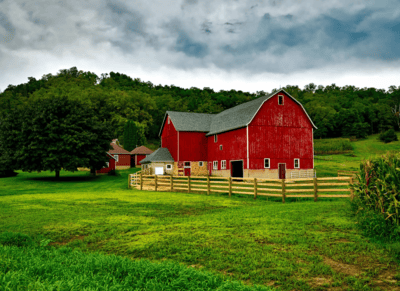
Cultivated Farmland
Compare Alberta agricultural land used for crop production, including dryland and irrigated parcels. Review cultivated acres, soil conditions, field layout and existing water arrangements.
Working & Mixed Farms
Explore agricultural properties combining cropland, forage production or livestock facilities, including operations with farmhouses, machinery storage and other working improvements.
Ranches & Pastureland
Search grazing land and cattle-oriented properties. Evaluate forage conditions, livestock water, fencing, corrals, access and the practical carrying capacity of the land.
Comparing Farmland and Agricultural Properties Across Alberta
Farming conditions vary considerably by region. Parts of Southern Alberta offer irrigated agricultural production, while Central Alberta includes extensive crop, forage and mixed-farming areas. Other regions may offer larger grazing holdings or different growing conditions. Compare the specific parcel's productive acreage, soils, water, climate, operating improvements and distance to agricultural markets rather than assuming all farmland is equally suited to the same use.
Before purchasing an Alberta farm: Request available crop and land-use records, confirm cultivated and pasture acreage, investigate water sources and any applicable irrigation entitlements, and review leases, registered interests and agricultural improvements. Financing, GST treatment and included equipment should also be addressed with qualified advisers before finalizing a purchase.
Explore Alberta Farms by Region and Property Type
Southern Alberta Farms →
Explore farmland, mixed operations, irrigated agricultural properties and pasture in Southern Alberta.
Farms Near Calgary →
Compare farms and agricultural properties in the rural counties surrounding Calgary.
Hobby Farms Near Calgary →
Looking for a smaller rural holding? Explore hobby farms and lifestyle properties near Calgary.
Alberta Farms for Sale
Alberta Farms for Sale | Farmland, Ranches & Agricultural Land
-
NW 26-50-5 W4 in Rural Vermilion River, County of: Agriculture for sale : MLS®# A2230669
NW 26-50-5 W4 Rural Vermilion River, County of T9X 2C1  $119,000Agri-Business
- Status:
- Active
- MLS® Num:
- A2230669
Wow 16.31 acres with highway access to pick the perfect spot to build your dream home More detailsListed by ROYAL LEPAGE WRIGHT CHOICE REALTY- DIANE RICHARDSON
- CIR REALTY
- 1 (403) 397 3706
- Contact by Email
-
50046 Hay Lakes Trail: New Sarepta Agriculture for sale : MLS®# A2336008
50046 Hay Lakes Trail New Sarepta T0B 3M4
$120,000Agri-Business- Status:
- Active
- MLS® Num:
- A2336008
Excellent opportunity to own agricultural land in Leduc County. Located at 50046 Hay Lakes Trail, this property offers a peaceful rural setting with convenient access to nearby communities and major routes. Zoned Agricultural Prime, ideal for agricultural use, investment, or a private rural holding. More detailsListed by Callister Commercial- DIANE RICHARDSON
- CIR REALTY
- 1 (403) 397 3706
- Contact by Email
-
4201 40 Avenue in Valleyview: Agriculture for sale : MLS®# A2354419
4201 40 Avenue Valleyview T0H 3N0
$149,000Agri-Business- Status:
- Active
- MLS® Num:
- A2354419
- Floor Area:
- 1,064 sq. ft.
An exceptionally priced agricultural opportunity awaits on the north side of the Anderson Industrial Park in Valleyview. This 1.97-acre industrial-zoned property comes fully equipped with a massive +/-200,000-bushel grain storage facility, situated along 40th Avenue right by the Valleyview Agricultural Society complex. The site is cleared and the facility features a covered unloading bay, six bins for storage and room to drive straight through. The receiving pit connects directly to the main elevator tower, which utilizes individual distribution spouts to service each of the six grain storage bins. This property is being listed at very close to its land-only value and represents an attractive opportunity to gain a complete facility that could never be constructed for anywhere near its current list price. While the facility has been dormant for the previous five years and is being sold ‘as-is, where is’, the structure and layout provide an unmatched foundation for operational expansion and additional grain storage. This property is simply waiting for the right forward-thinking buyer to bring it back to life and capitalize on its immense built-in value. More detailsListed by Royal LePage - The Realty Group- DIANE RICHARDSON
- CIR REALTY
- 1 (403) 397 3706
- Contact by Email
-
Hwy 886 in Consort: Agriculture for sale : MLS®# A2359374
Hwy 886 Consort T0L 1B0
$150,000Agri-Business- Status:
- Active
- MLS® Num:
- A2359374
158.05 acres Grazing Lease GRL #84313 42.15 AUM's. Offers to be submitted by Jan 29, 2027 More detailsListed by Real Estate Centre - Coaldale- DIANE RICHARDSON
- CIR REALTY
- 1 (403) 397 3706
- Contact by Email
-
Range Road 44 in Rural Cypress County: Agriculture for sale : MLS®# A2326667
Range Road 44 Rural Cypress County T0J 1V0
$250,000Agri-Business- Status:
- Active
- MLS® Num:
- A2326667
Discover the potential of this exceptional 15.15 acre parcel just slightly east of the Dunmore weigh scale, on the north side of the highway. This is highway frontage and visibility right on the Trans Canada Highway. Offering endless possibilities for future development. Formerly known as the Wayside Kitchen Site, this property is ideally situated approx 10 km from Medicine Hat with excellent exposure along the Trans Canada highway and bordering CP Rail. Its highly visible location and convenient access make it a unique opportunity with wide ranges of potential uses. Starting on the south west corner and running along the south side is the old road base. If you are old enough to remember when Alberta had those public camp kitchens along the highways with a good road in and a big turn around area, this is what that was and the high quality road base still exists. RIGHT ON THE #1 HIGHWAY WITH EXCELLENT TRUCK ACCESS. 100 Amp power in place. Three phase close by. Good modern water well. Fibre Optic cable ran. More detailsListed by SOURCE 1 REALTY CORP.- DIANE RICHARDSON
- CIR REALTY
- 1 (403) 397 3706
- Contact by Email
-
Twp Rd 332 in Consort: Agriculture for sale : MLS®# A2359388
Twp Rd 332 Consort T0L 1B0
$260,000Agri-Business- Status:
- Active
- MLS® Num:
- A2359388
160 acres M/L of deeded grassland. Excellent opportunity for start-up rancher looking for grass. Bids to be submitted by January 29, 2027 More detailsListed by Real Estate Centre - Coaldale- DIANE RICHARDSON
- CIR REALTY
- 1 (403) 397 3706
- Contact by Email
-
// // Rge Rd 150 in Rural Lac La Biche County: Agriculture for sale : MLS®# A2288242
// // Rge Rd 150 Rural Lac La Biche County T0A 2C1
$270,000Agri-Business- Status:
- Active
- MLS® Num:
- A2288242
135 acres only 9 km to Lac la Biche with approximately 35 acres cleared and the balance in natural forest featuring kms of trails the owner put in over the years and used for walking, Xcountry skiing and quadding year round. This is a rare find for size of acreage and distance to town. Build your dream home and have privacy and room to breath...... set yourself up for horses or livestock , your deam shop or whatever your heart desires. Power is neardby and gas options would be natural gas or propane. Internet is wireless through several companies that offer these services.. Call today for more information. More detailsListed by RE/MAX LA BICHE REALTY- DIANE RICHARDSON
- CIR REALTY
- 1 (403) 397 3706
- Contact by Email
-
ON Range Road 143 in Rural Big Lakes County: Agriculture for sale : MLS®# A2337930
ON Range Road 143 Rural Big Lakes County T0G 1J0
$285,000Agri-Business- Status:
- Active
- MLS® Num:
- A2337930
Beautifully Treed 160 acres tucked right into crown land down a private trail!Very nicely treed with lots of spruce! Located very close to Slave Lake just west of Joussard! Property is located on a dead end road and borders miles of Crown Land!! This property is ideal for privacy and would be an amazing property to build your home or cabin with excellent hunting and fishing in the area. Very hard to find a secluded bush quarter like this. More detailsListed by Sutton Group Grande Prairie Professionals- DIANE RICHARDSON
- CIR REALTY
- 1 (403) 397 3706
- Contact by Email
-
Hwy 886 in Consort: Agriculture for sale : MLS®# A2359367
Hwy 886 Consort T0L 1B0
$290,000Agri-Business- Status:
- Active
- MLS® Num:
- A2359367
146.90 acres of grass for Tender. Excellent opportunity to expand or start buying land for grazing. Offers to be submitted by January 27, 2027 More detailsListed by Real Estate Centre - Coaldale- DIANE RICHARDSON
- CIR REALTY
- 1 (403) 397 3706
- Contact by Email
-
On Township Road 474 in Rural Camrose County: Agriculture for sale : MLS®# A2334278
On Township Road 474 Rural Camrose County T4V 2T4
$299,000Agri-Business- Status:
- Active
- MLS® Num:
- A2334278
75 Acres of beautiful Alberta land available today. Located 5 minutes north east of Camrose. Are you looking to build a new home and have the space and quietness that the country offers? This may be the place for you. Or maybe you need a bit more pasture land for you animals. Multiple options exist here. More detailsListed by CIR Realty- DIANE RICHARDSON
- CIR REALTY
- 1 (403) 397 3706
- Contact by Email
-
NE22-74-6-W6 Range Road 62 in Rural Grande Prairie No. 1, County of: Agriculture for sale : MLS®# A2313759
NE22-74-6-W6 Range Road 62 Rural Grande Prairie No. 1, County of T0H 3C0
$299,900Agri-Business- Status:
- Active
- MLS® Num:
- A2313759
Seize the opportunity to grow this established tree farm into a thriving agricultural business! Currently home to approximately 1,500 Colorado blue spruce trees, ranging from 5 to 15 feet in height, this farm offers a strong foundation with endless possibilities for expansion. With large areas of rich, certified organic soil, there's ample space to plant additional trees or diversify with other high-value crops, allowing you to take this farm to the next level. The nutrient-dense, organic soil has been tested and certified, providing ideal conditions for a wide range of agricultural ventures. With plenty of room to scale up tree production or explore new crops, the farm is well-positioned for significant growth. The current spruce trees, highly valued in the region for privacy and wind protection, have been meticulously planted for low maintenance and easy transplanting, with wide aisles designed for efficient harvesting. In addition to tree sales, the abundant topsoil offers an additional source of income, further enhancing the farm's profitability. With contracts already in place, this turn-key operation is primed to start generating revenue immediately, while providing the potential for exponential growth in the future. Whether you're an experienced farmer looking to expand your operations or an investor seeking a high-potential agricultural opportunity, this tree farm offers everything you need to build a profitable and sustainable business. The groundwork has been laid—now it’s your chance to take it to new heights! More detailsListed by Grassroots Realty Group Ltd.- DIANE RICHARDSON
- CIR REALTY
- 1 (403) 397 3706
- Contact by Email
-
NE 33 79 12 W6 RR in Rural Saddle Hills County: Agriculture for sale : MLS®# A2341291
NE 33 79 12 W6 RR Rural Saddle Hills County T0H 0K0
$299,900Agri-Business- Status:
- Active
- MLS® Num:
- A2341291
Quiet timber quarter with a cheque coming in and farmland all around it. This is 149.99± acres of established bush just outside Bonanza. Mature trees, privacy, and a $4,000 per year oil revenue stream already attached. Surrounding land is strong grain country, so you can keep it as bush, hunt it, or clear and add productive acres if that is the plan. Hunting in the area is the real draw. Deer, moose, and elk work this country. Services are close enough that a cabin or a full home is a realistic next step, not a pipe dream. More detailsListed by Sutton Group Grande Prairie Professionals- DIANE RICHARDSON
- CIR REALTY
- 1 (403) 397 3706
- Contact by Email

Data was last updated November 23, 2026 at 06:05 PM (UTC)
Current Alberta Farms & Farmland for Sale
Browse current farms for sale in Alberta, including cultivated farmland, pasture, mixed agricultural properties and ranches. The MLS® listings below may include bare agricultural land, improved farms with residences and outbuildings, and specialized agricultural properties. Availability and property types change as listings are added or sold.
Comparing Alberta farm listings: Check the total parcel area against the actual cultivated or usable acres, and review soil capability, water access, agricultural buildings and any existing leases. Listings for irrigated land should be assessed for their specific water arrangements and associated obligations.
Choosing the Right Alberta Farm or Ranch Location
When comparing farms for sale in Alberta, location influences growing conditions, agricultural land values, access to markets and operating costs. The right region depends on whether you plan to grow crops, raise livestock, operate a mixed farm or purchase land for agricultural expansion.
Southern Alberta Farmland
The Lethbridge, Taber, Brooks and Medicine Hat regions include dryland farming, livestock operations and irrigated agricultural areas. For irrigated parcels, confirm the irrigation district, water allocation, delivery infrastructure and applicable charges.
Central Alberta Farms
Areas around Red Deer, Olds, Stettler and Camrose include cultivated farmland, forage production and mixed farms. Compare soil capability, drainage, growing-season conditions and proximity to grain-handling facilities and farm services.
Northern Alberta Agricultural Land
The Peace Country, Grande Prairie region and other northern farming districts offer cropland, pasture and mixed agricultural holdings. Assess growing-season length, drainage, road restrictions and transportation distances for each location.
Alberta Ranching Regions
Foothills, prairie grassland and other grazing regions support cattle operations with varying combinations of deeded pasture and leased grazing land. Review livestock water, forage capacity, fencing and the terms of any grazing dispositions.
What Matters Most When Comparing Farm Locations?
Consider distances to grain elevators, livestock markets, processors, equipment dealers and agricultural suppliers. Road access can affect hauling efficiency, particularly for heavy equipment and seasonal grain transportation. For livestock operations, also consider access to veterinarians, feed supplies and available grazing or winter-feed resources.
Important regional consideration: Agricultural suitability varies within individual counties. Before purchasing, review parcel-specific soil information, cultivated acres, drainage, water rights or irrigation arrangements, registered interests and municipal land-use requirements. Do not assume that neighbouring farms have identical productivity or development permissions.
Explore Agricultural Properties by Region
Southern Alberta Farms →
Search working farms, cultivated farmland, irrigated properties and livestock operations across Southern Alberta.
Wheatland County Properties →
Explore rural properties in the Strathmore region and surrounding agricultural communities.
Mountain View County →
Compare country properties in a Central Alberta region with cropland, pasture and mixed-farming activity.
Key Due Diligence When Buying an Alberta Farm or Ranch
Before purchasing Alberta farmland, a working farm or a cattle ranch, investigate the property's productive capacity, legal interests, water arrangements and operating infrastructure. The number of acres advertised does not necessarily equal the number of acres available for cultivation, grazing or other agricultural uses.
1. Productive Acres & Soil
Compare titled acreage with cultivated, hay, pasture and non-productive areas. Review available soil classification, drainage, field layout, erosion risks and historical land use. Request crop rotation and production records where available.
2. Water & Irrigation
Identify domestic, livestock and irrigation water sources separately. For irrigated farmland, confirm the district, associated water allocation or rights, delivery infrastructure, applicable charges and transfer requirements.
3. Land Leases & Grazing Rights
Determine whether cultivated land is leased to a tenant or whether grazing depends on Crown dispositions or private agreements. Verify lease terms, possession dates, rents, transfer approvals and any existing obligations.
4. Agricultural Improvements
Inspect grain bins, shops, barns, corrals, handling facilities, fencing and farm residences. Check structural condition, electrical service, equipment capacity, permits and potential repair or replacement costs.
5. Title, Access & Land Use
Have the title and relevant registered instruments reviewed for easements, rights-of-way, restrictions and other interests. Confirm legal road access, municipal land-use requirements and approvals for proposed buildings or operations.
6. Financing & Transaction Terms
Discuss agricultural financing with a qualified lender early. Confirm the treatment of GST, existing crops, livestock, machinery and equipment, and any assets included in the sale. Purchase terms should clearly identify what transfers.
Important Alberta farm-buying consideration: A productive farm may include several distinct interests, such as deeded land, leased parcels, irrigation arrangements, standing crops and equipment. Do not assume that every advertised asset or agricultural right automatically transfers with the real estate. Have the purchase documents reviewed by professionals familiar with agricultural transactions.
Planning Your Alberta Farm Purchase
Agricultural financing can involve different lending criteria from a conventional residential mortgage. Review the available options before committing to a purchase that includes farmland, farm buildings or an operating business.
Read the Alberta Farm & Acreage Financing Guide →Alberta Farms and Ranches: Frequently Asked Questions
Buying agricultural real estate in Alberta involves questions about land values, productive acreage, irrigation, financing and ownership rights. These answers address important considerations for cultivated farmland, mixed farms and cattle ranches.
How much does farmland cost per acre in Alberta?
Farm Credit Canada's 2025 Farmland Values Report provides the following regional reference values for cultivated farmland in Alberta:
- Peace Region: approximately $3,400 per acre.
- Northern Alberta: approximately $5,200 per acre.
- Central Alberta: approximately $7,000 per acre.
- Southern Alberta dryland: approximately $5,800 per acre.
- Southern Alberta irrigated land: approximately $20,000 per acre.
These are 2025 regional reference values, not current asking prices or appraisals. Individual farm values depend on location, soil capability, irrigation, productive acreage and improvements. FCC reported that Alberta cultivated farmland values increased by an average of 11.4% during 2025. See the FCC Farmland Values Report.
What is the difference between titled acres and cultivated acres?
Titled acreage describes the total land area registered on the property title. Cultivated acreage refers to land available or used for crop production. A quarter section may contain fewer cultivated acres because of roads, wetlands, yard sites, shelterbelts, drainage areas or uncultivated land. When comparing Alberta farms for sale, request a breakdown of cultivated acres, pasture, hayland and other land uses. Confirm measurements through appropriate records rather than relying only on the advertised parcel size.
Does buying irrigated farmland include the right to use irrigation water?
Do not assume that every acre advertised as irrigated has an unrestricted water entitlement. For land within an Alberta irrigation district, confirm the assessed irrigation acres, district records, water delivery arrangements, infrastructure and any outstanding charges. Water licences and registrations outside district arrangements may follow different legal rules. Some traditional agricultural water registrations remain attached to the specified land, while other water allocation transfers require regulatory authorization. Verify the applicable arrangement before removing financing or due-diligence conditions.
Does an Alberta cattle ranch sale automatically include Crown grazing leases?
No. Deeded ranch land and Crown grazing dispositions are different legal interests. When a ranch listing refers to Crown grazing land, identify the applicable grazing lease or licence, its conditions, term, fees and transfer requirements. Alberta regulates agricultural use of public land through the public lands disposition system. Any proposed assignment or transfer should be confirmed with the responsible provincial authority. The sale agreement should clearly distinguish titled land from grazing interests and identify which approvals are required.
Can I obtain a conventional residential mortgage to buy an Alberta farm?
A conventional residential mortgage may not be suitable for a substantial agricultural holding. Financing depends on the lender, property classification, acreage, improvements and intended use. Agricultural lenders may examine the land's value, farm income, cash flow, borrower equity and existing debt. Farm Credit Canada and other agricultural lenders offer financing products for qualifying farming operations. Obtain a financing assessment early, particularly if the purchase includes several titles, a working business or specialized infrastructure.
Is GST payable when purchasing farmland in Alberta?
A farmland sale can be subject to GST, but exemptions and special elections may apply depending on the seller, purchaser and transaction structure. The Canada Revenue Agency explains that farmland sold by an individual is generally taxable, subject to specified exemptions. In qualifying sales of a farming business, the parties may be eligible to make a GST44 election. Do not assume a purchase is GST-exempt simply because the property is used for agriculture. Have an accountant or tax lawyer review the transaction before signing.
Are machinery, livestock, grain bins and standing crops included in a farm sale?
Not automatically. Grain bins and other permanently attached improvements may be treated differently from movable equipment, while livestock, machinery, stored grain and standing crops can require specific purchase terms. The agreement should identify included and excluded assets, ownership, possession dates and any adjustments for inputs or crops. If the land is rented to another farmer, review the lease and determine who is entitled to harvest existing crops.
Can someone who is not a Canadian citizen purchase farmland in Alberta?
Alberta's Foreign Ownership of Land Regulations restrict ownership of certain rural lands by foreign citizens and foreign-controlled corporations. Generally, these purchasers may own up to two parcels of controlled land totalling no more than 20 acres, subject to the regulations and applicable exemptions. Canadian citizens and permanent residents are not subject to those particular foreign ownership limits. Purchasers should obtain legal advice because ownership structure, land classification and federal restrictions may also affect eligibility.
What is the difference between an Alberta farm, ranch and hobby farm?
A working farm generally produces agricultural products such as grain, forage, vegetables or livestock. A ranch commonly emphasizes cattle or other grazing livestock, often using substantial pasture resources. A hobby farm usually combines a residence with smaller-scale agricultural activity. These are descriptive terms rather than universal municipal zoning categories. Property taxation, permitted uses, financing and business status depend on the actual circumstances, not simply the description used in a real estate advertisement.
Important for Alberta farm buyers: Agricultural transactions may involve multiple land titles, leased acreage, water arrangements, crops and business assets. Request the relevant documentation early and use legal, accounting, financing and agricultural specialists where appropriate. Listing descriptions alone should not determine the rights or assets being purchased.
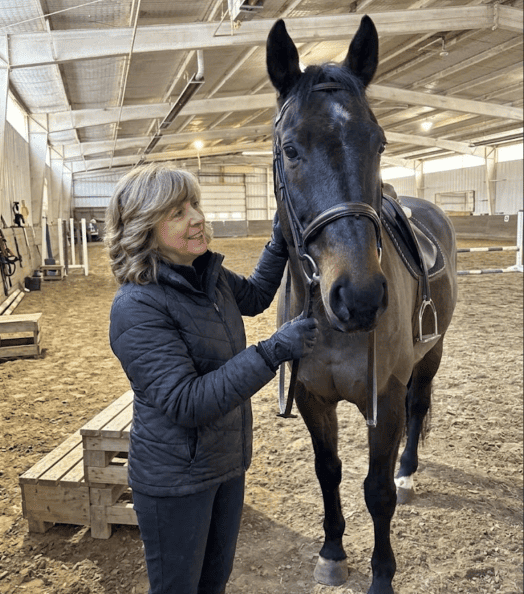
Get Help Finding the Right Alberta Farm or Ranch
Looking for cultivated farmland, a working farm, cattle ranch or mixed agricultural property? Start with a search tailored to your preferred region, acreage and agricultural plans.
Diane Richardson can help buyers explore farms for sale in Alberta, compare agricultural listings and arrange property viewings. Whether your priority is productive cropland, pasture, irrigation infrastructure or an established farmstead, a focused search makes it easier to identify suitable opportunities.
Share your preferred counties, budget, approximate land requirements and intended operation. Diane can help you review listing information, coordinate showings and identify questions to investigate with agricultural lenders, inspectors and other qualified professionals.
Request Farm Listings
Tell Diane the region, farm type, acreage and price range you want to explore.
Send Your Farm Search Details →Call or Text Diane
Discuss a specific Alberta farm listing or ask about arranging a property showing.
Email Diane
Send a farm listing, legal land description or questions about a property you are considering.
Diane@Mypadcalgary.comFind an Alberta Farm That Fits Your Plans
From grain farmland and mixed farming operations to cattle ranches and agricultural land, begin with the properties and regions that match your needs.
Contact Diane About Alberta Farms & Ranches
CIR REALTY
Office
703 64 Ave SE #130
Calgary, AB, T2H 2C3